


Subtotal $0.00

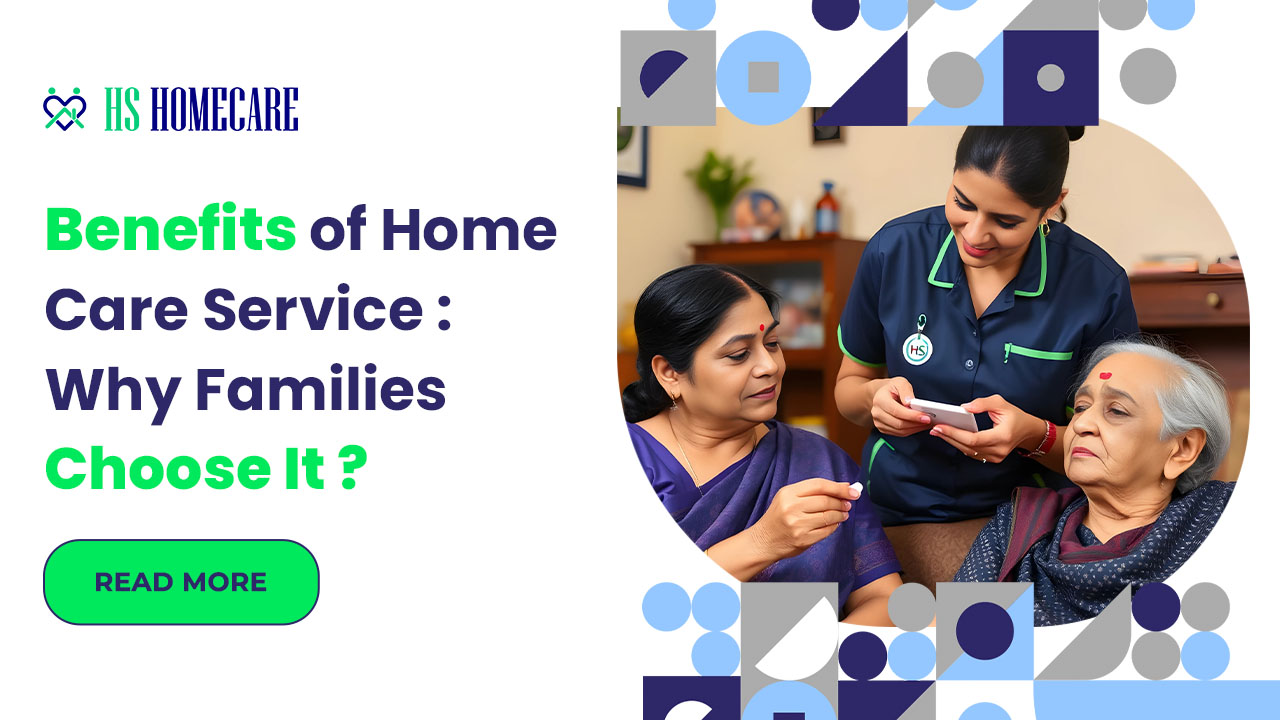
Benefits of Home Care Service are clear when compared to recovering from surgery in a noisy hospital. While hospitals offer medical expertise, home care provides a more comfortable, personalized, and stress-free experience—especially for long-term recovery or elderly support at home.
Home care is changing the way we look after our loved ones. It brings professional, compassionate support right to your doorstep—whether for an aging parent, someone with chronic illness, or a loved one bouncing back from surgery. The best part? It all happens in the comfort and familiarity of home.
In this blog, we’ll explore the benefits of home care service, who it’s for, and how it works—so you can decide if it’s the right fit for your family.

What Is Home Care and How Does It Work?
Home care refers to professional health or personal care delivered in a person’s residence instead of in a hospital or clinic. It’s designed to support individuals who need help with day-to-day activities, recovery, or chronic conditions—without uprooting their routines or surroundings.
Here’s how the process typically works:
- A home care provider assesses the person’s needs
- A customized care plan is designed based on health, mobility, and lifestyle
- Qualified caregivers, nurses, or therapists are assigned based on the services required
- Services may include:
- Daily living support: bathing, dressing, feeding
- Medication reminders and wound care
- Physiotherapy or mobility assistance
- Companionship and emotional support
- Families receive regular updates and can monitor progress easily
This seamless setup allows for high-quality, consistent care while preserving dignity, independence, and emotional well-being.
Who Can Benefit from Home Care Services?
Home care isn’t just for the elderly. It’s for anyone who needs care but doesn’t necessarily need hospitalization.
Common situations where home care helps:
- Seniors who need help with routine activities
- Patients recovering from surgery who need short-term support
- People with disabilities requiring assistance with mobility and personal tasks
- Individuals with chronic illnesses like diabetes, Parkinson’s, or heart disease
- Working families who need reliable care for elderly parents at home
By tailoring services to each individual, home care offers flexibility and peace of mind for all involved.
Top Benefits of Home Care Service
Let’s break down why so many families are turning to home care services:
Comfort and Familiarity of Home
Being at home naturally promotes faster healing and reduces stress. People feel more secure in a familiar environment with their belongings, pets, and routines intact.
Customized and Personal Attention
Unlike hospitals where one nurse may attend to multiple patients, home care provides one-on-one attention. Care plans are personalized—no generic schedules or rushed visits.
More Affordable Than Hospital Care
Continuous hospital stays can be expensive. With home care, you only pay for what’s needed—be it a few hours a day or round-the-clock support—saving costs without compromising quality.
Emotional Well-Being
Care at home minimizes feelings of loneliness and isolation. Being around loved ones while recovering or aging brings emotional balance, especially for seniors.
Reduces Risk of Infections
Hospitals, while sterile, carry risks of infection. Home care keeps vulnerable individuals away from unnecessary exposure.
Promotes Independence
Many people value their independence. Home care helps them stay in control of their daily routines, fostering self-esteem and dignity.
Family Involvement and Peace of Mind
Home care allows families to be actively involved in their loved one’s care journey. With regular updates and transparent communication, everyone stays informed.
Real-Life Scenario: A Common Family Challenge
Let’s say your father just had knee surgery. He’s stable but needs support for a few weeks. Instead of extending his hospital stay—or having you take leave from work—home care steps in. A trained professional visits daily to help with exercises, medication, and basic tasks.
The result? Your father recovers comfortably at home, you continue your routine without worry, and hospital expenses stay under control.
What Services Are Included in Home Care?
Depending on the individual’s condition, home care services may include:
- Elderly care: Mobility support, hygiene, companionship
- Post-surgical care: Medication management, dressing wounds, physiotherapy
- Chronic illness management: Diabetes, stroke recovery, Parkinson’s care
- Personal assistance: Feeding, toileting, grooming, light housekeeping
- Medical support: Injections, vital checks, catheter or IV management
These services are often available hourly, daily, or 24/7—making it easier to choose what fits your needs and budget.
Choosing the Right Home Care Provider
Here’s what to look for when selecting a home care provider:
- Background-verified and trained caregivers
- Transparent pricing and flexible plans
- Clear communication and family coordination
- Experience in elderly, medical, or disability support
- Positive reviews or recommendations from past clients
A good provider doesn’t just send a caregiver—they become a part of your extended support system.
Conclusion: A Smarter Way to Care for Loved Ones
Home care isn’t just a service—it’s a compassionate alternative that brings relief, confidence, and comfort to families. It helps your loved ones receive the care they need while staying in a space they love: home.
If you’re exploring safer, more personalized options for a family member, consider how home care can make a meaningful difference. It’s not just about healthcare—it’s about quality of life.
Many trusted home care providers also rely on digital support systems and expert marketing guidance to streamline services and stay connected with families in today’s online-first world.

